For the Love of Northeast Oklahoma 💚

Although I am a native of Southeast Kansas, part of my family’s history is deeply rooted thirty miles south and across the state line into Northeast Oklahoma. My dad’s paternal grandparents owned a family farm and ranch in Oklahoma’s Washington County, (thirty miles northeast of the larger Osage County), from the early 1900s through the early 1970s.

Etched in my memory are trips to Copan, Dewey, Bowring and Bartlesville, visiting great aunts and uncles as well as a few family cemeteries and interesting sights along the way.

My great grandparents’ original farmhouse sat on a section of their property of several hundred acres before Copan Lake and nearby Hulah Lake were developed.

Throughout my own childhood, (1970s-80s), my dad would tell stories about his summers spent on the farm in the 1930s—it’s close proximity to the now infamous Mullendore Cross Bell Ranch, and his fun visits with half cousins, who were Native Americans. He was often given warnings by his family, out of respect for private property, not to venture onto the Mullendore’s land.

Spending time as a child with various generations of my family in the area that holds our shared history has shaped my interest in Northeast Oklahoma, its landscape and culture.

Hulah Lake 💙💙💙💙

Spreading across miles of rolling terrain, that was once Indian Territory, Hulah Lake is located in Northeast Oklahoma’s Osage County. “Hulah,” meaning “Eagle” in the Osage language, was previously an Osage Nation farming community. outdoorsy.com

Situated 20 miles north of Pawhuska, 15 miles southwest of Copan and five miles north of Bowring, the man-made reservoir was completed in 1951 by the United States Army Corp of Engineers, Tulsa District. (US Army Corp of Engineers, Tulsa District Website)

December on the Lake 💙 ☃️
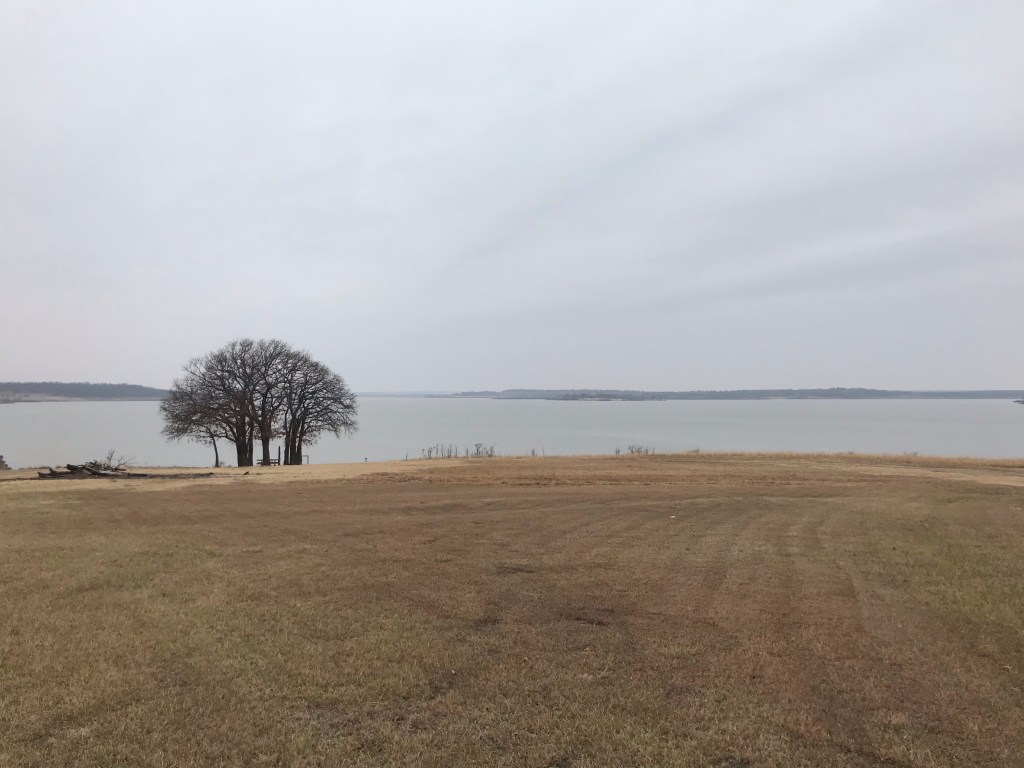
Hulah Lake is a recreational lake in Osage County Oklahoma, fifteen miles southwest of Copan and twenty miles north of Pawhuska.
Photo by: Gail Moore Woltkamp (December 2019)

Last December, my son and I traveled toward the lake from Bartlesville in search of a family cemetery near Bowring. It was a gorgeous drive on Oklahoma State Highway 10 North where the winter landscape with late Fall foliage was visible for miles.
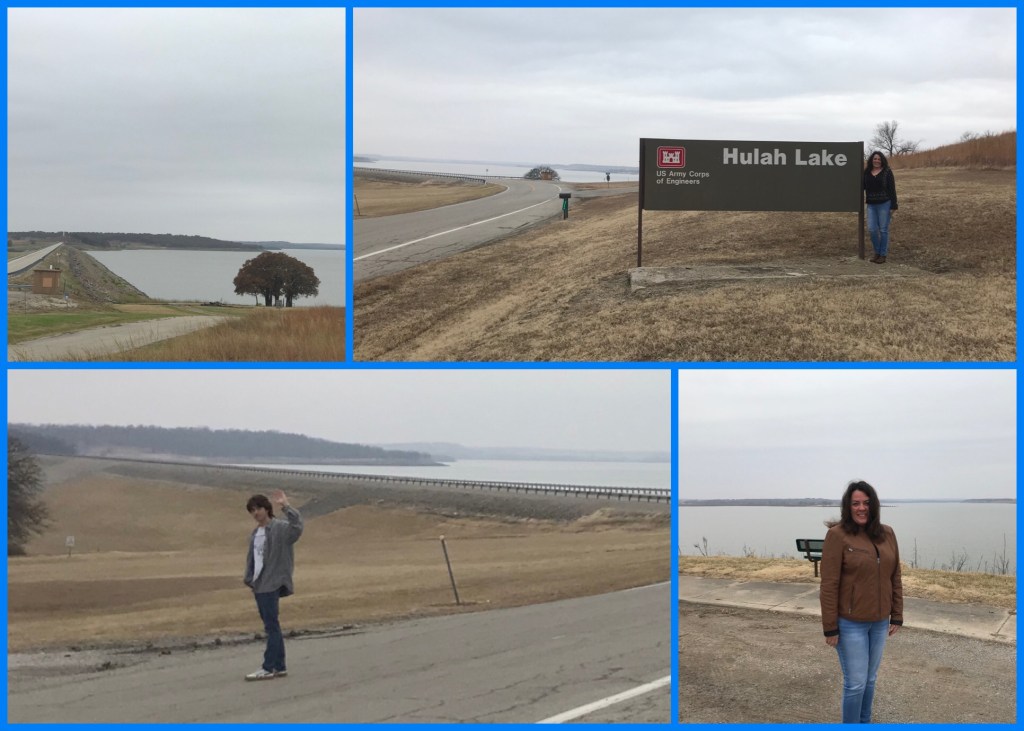
Stopped off at Hulah Lake in Osage County Oklahoma on a freezing cold December day. 💙

The lake itself, in all its beauty, has a shoreline of 62 miles and offers nearby residents and out of town travelers a chance to enjoy picnics, hunting, fishing, boating, a bird sanctuary, camping and rest area. (Oklahoma Fishing Guide Website) On our drive down Oklahoma Highway 10, we spotted a notable entrance to the Mullendore Cross Bell Ranch to the West.
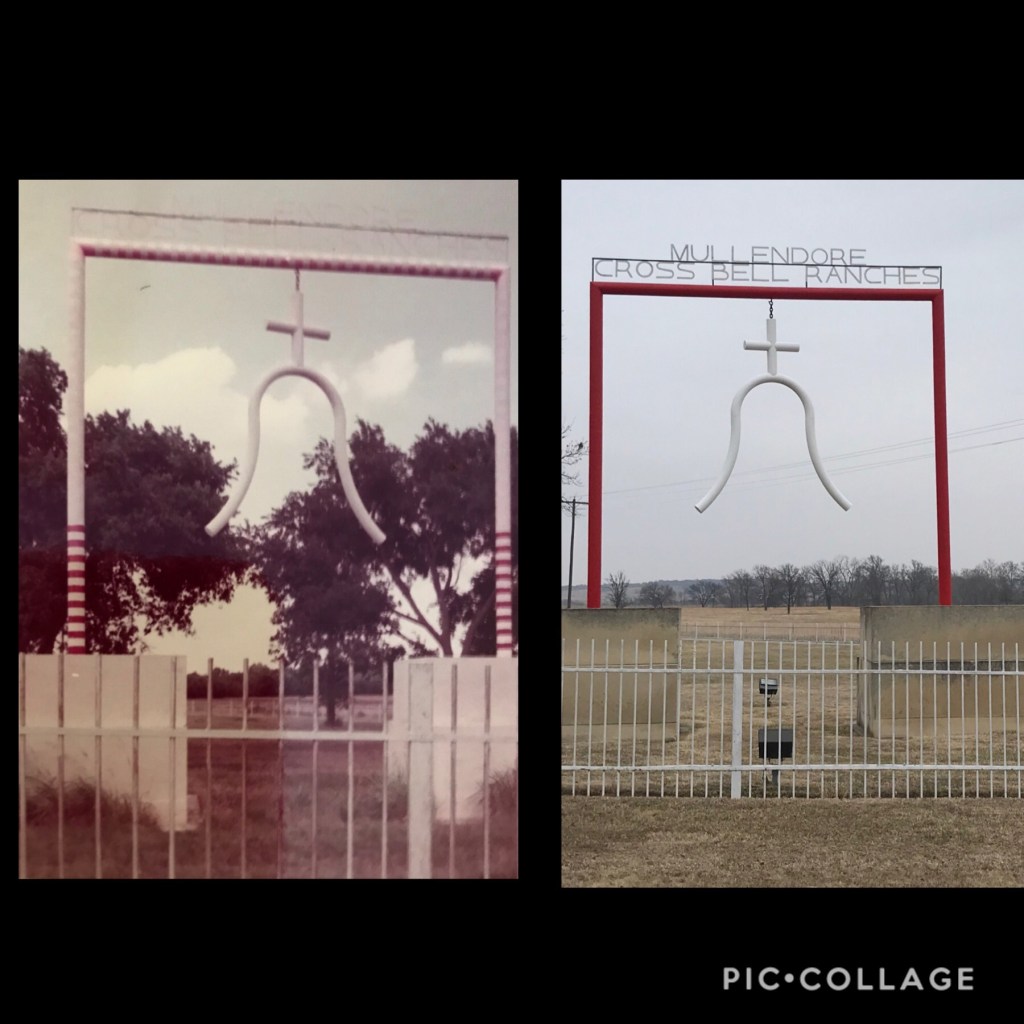
Mullendore Cross Bell Ranch located at 3484 Mullendore Ranch Road near Copan, Oklahoma.
1972 Contributed photo by
Moore Family Collections
2019 photo by Gail Moore Woltkamp

Woolaroc Museum and Wildlife Preserve 🧡💙

Bartlesville, Oklahoma is home to Woolaroc, (named for Woods, Lakes and Rocks), which is the wildlife preserve and art museum founded and developed by Phillips Petroleum Company founder Frank Phillips and his wife, Jane Gibson Phillips. (woolaroc.org).

Originally Frank’s and Jane’s summer retreat, the exquisite property, which has been expanded over the years, is now owned and operated by the Frank Phillips Foundation, Inc.

The mission of its board is to sustain the Phillips’s original intent to preserve the history of the West as well as to educate and entertain. It has been open for the public to experience and enjoy since 1937. (Woolaroc Museum Gallery Guide)
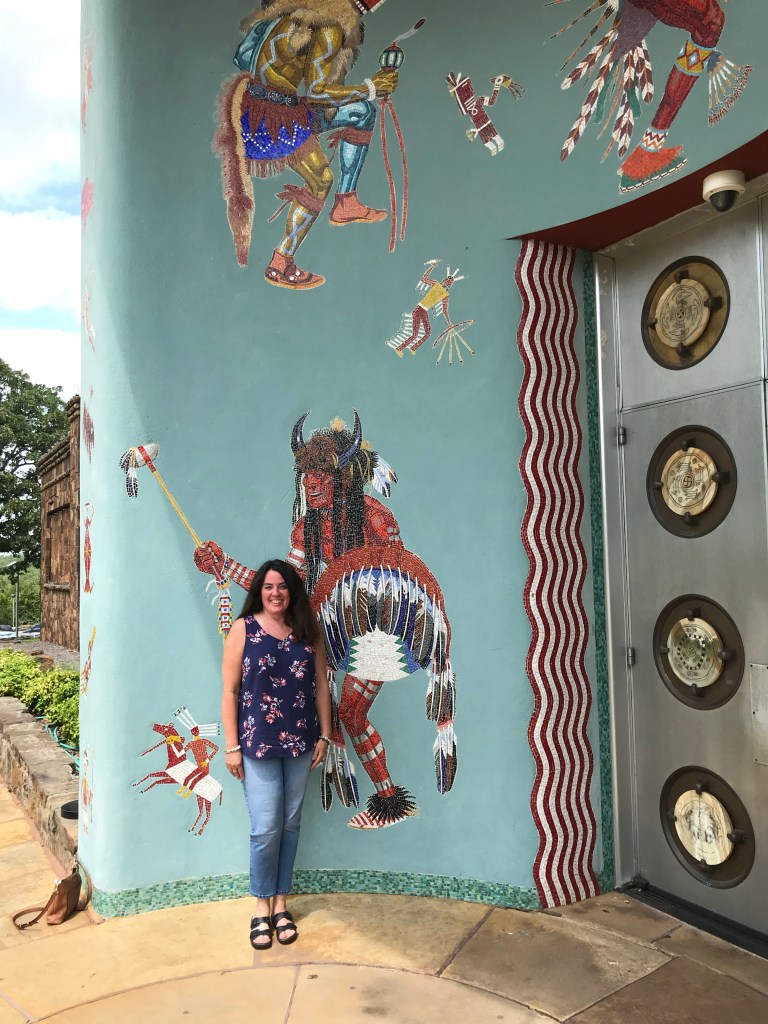
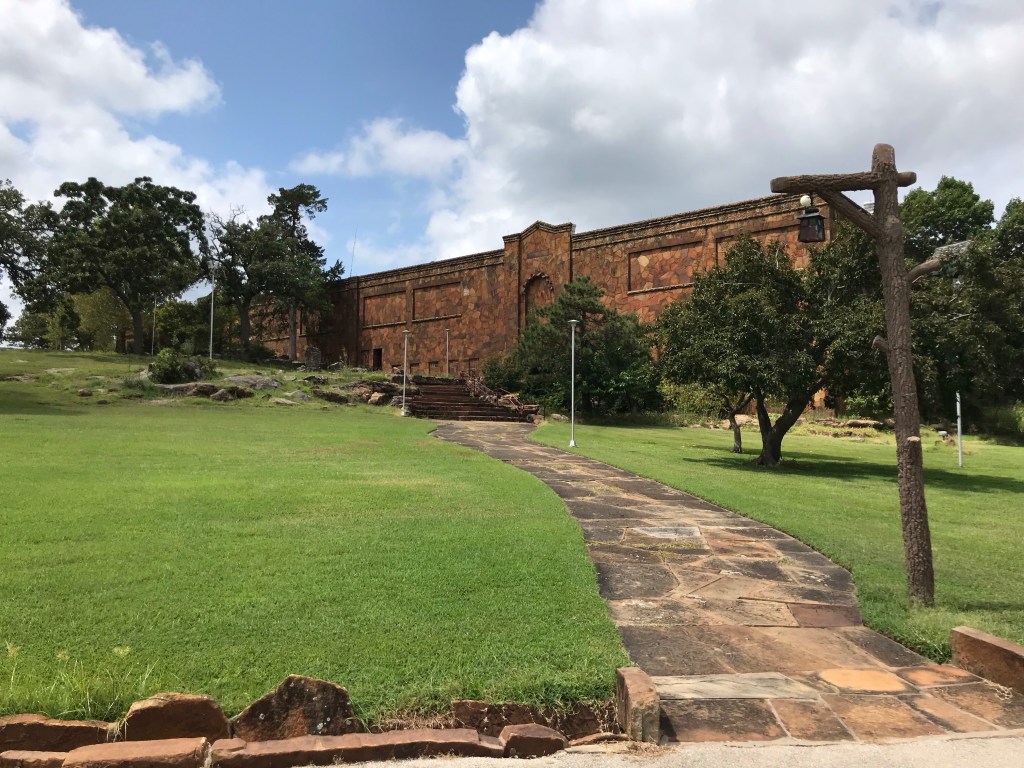
Standing at the entrance of the Woolaroc Museum & Wildlife Preserve in Bartlesville, Oklahoma.
Located in the Osage Hills of Northeast Oklahoma, Woolaroc is the ranch retreat-turned wildlife preserve founded by Phillips Petroleum’s Frank Phillips.
Photo by: Gail Moore Woltkamp (August 2019)

My scenic drive off the entrance of Oklahoma Highway 123, (this time in August), led me across the Woolaroc property spanning 3,700 acres of peaceful terrain. The picturesque route included crossing a couple narrow bridges while spotting lots of buffalo, elk, llamas and a zebra along the way.
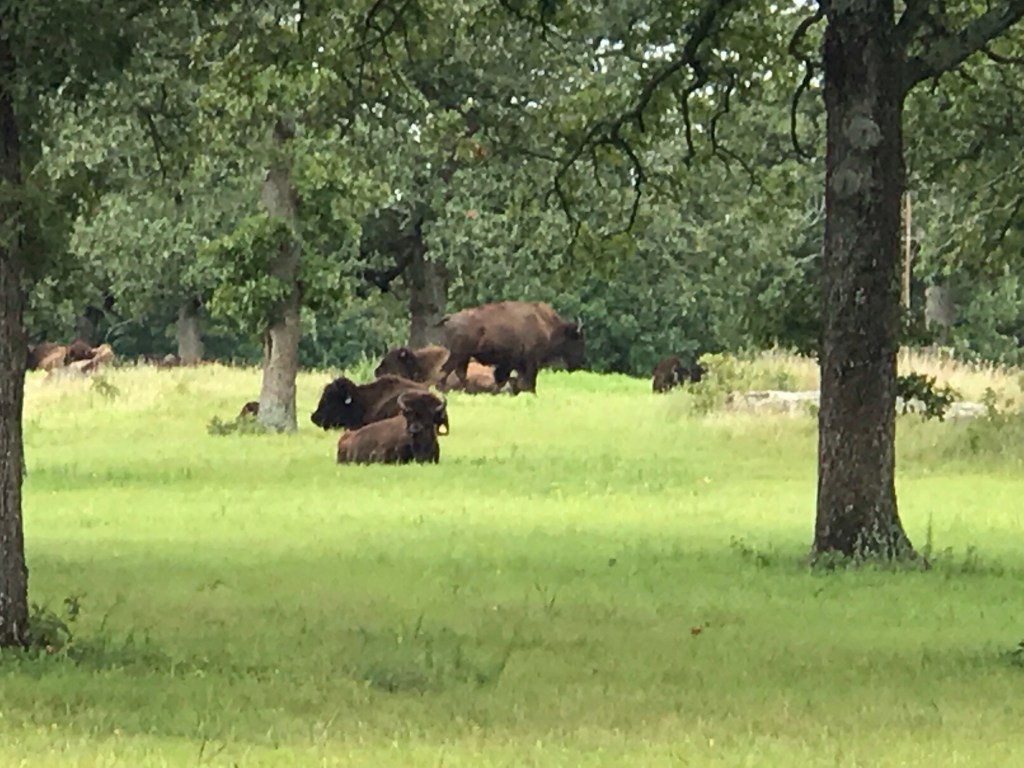
The drive led to a unique museum experience filled with extraordinary works of art. Each room showcased Native American and Western History with American Indian collections, paintings, sculptures and exhibits by well-known artists. The museum is also home to one of the world’s most extensive Colt firearms collections and to the 1927 “Woolaroc” aircraft.
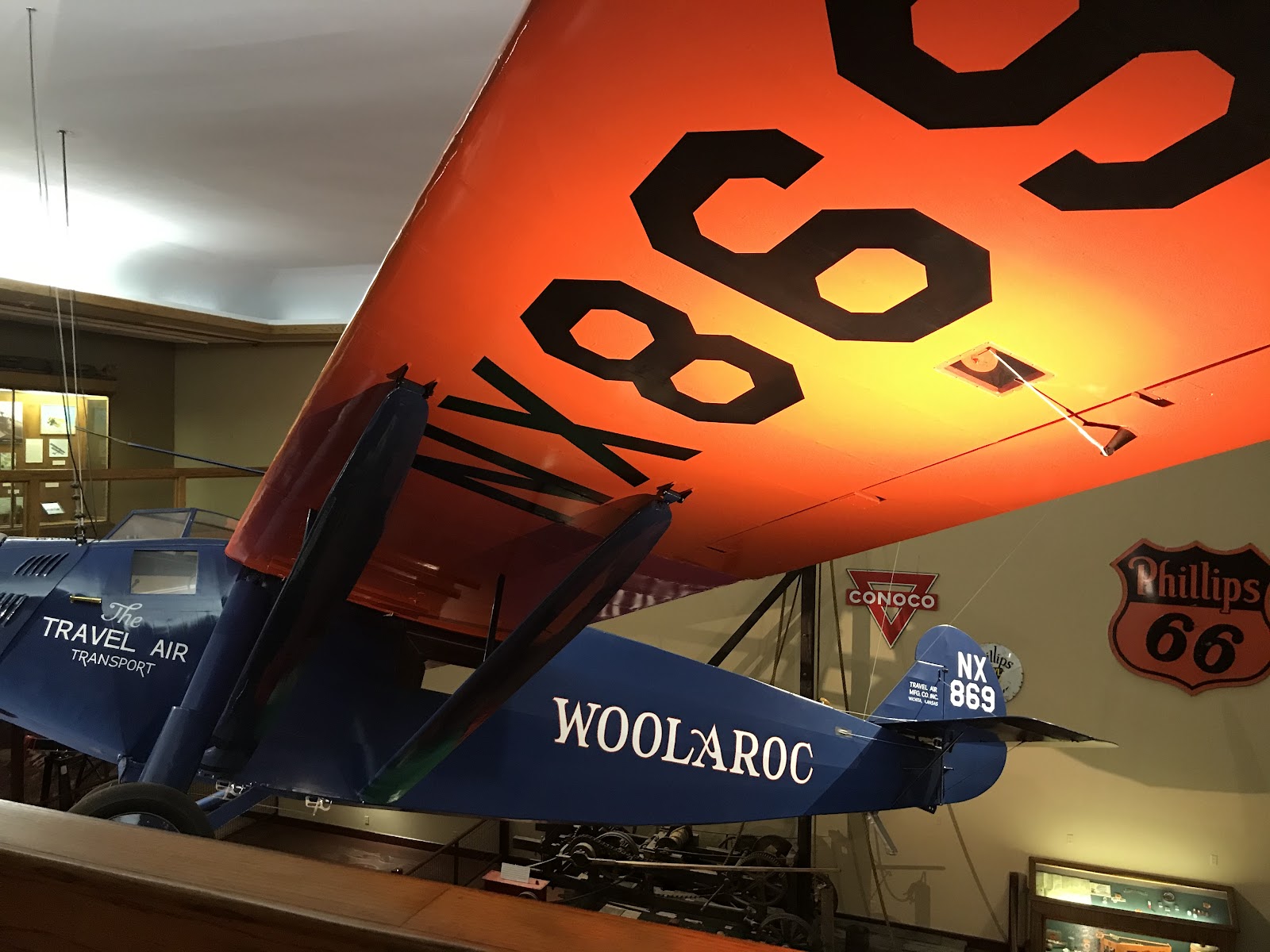
Woolaroc Aircraft was sponsored by Phillips Petroleum in the 1927 Dole Air Race from Oakland, CA to the “Territory of Hawaii.” It finished the race and was declared the winner.
Photo by: GMW (August 2019)

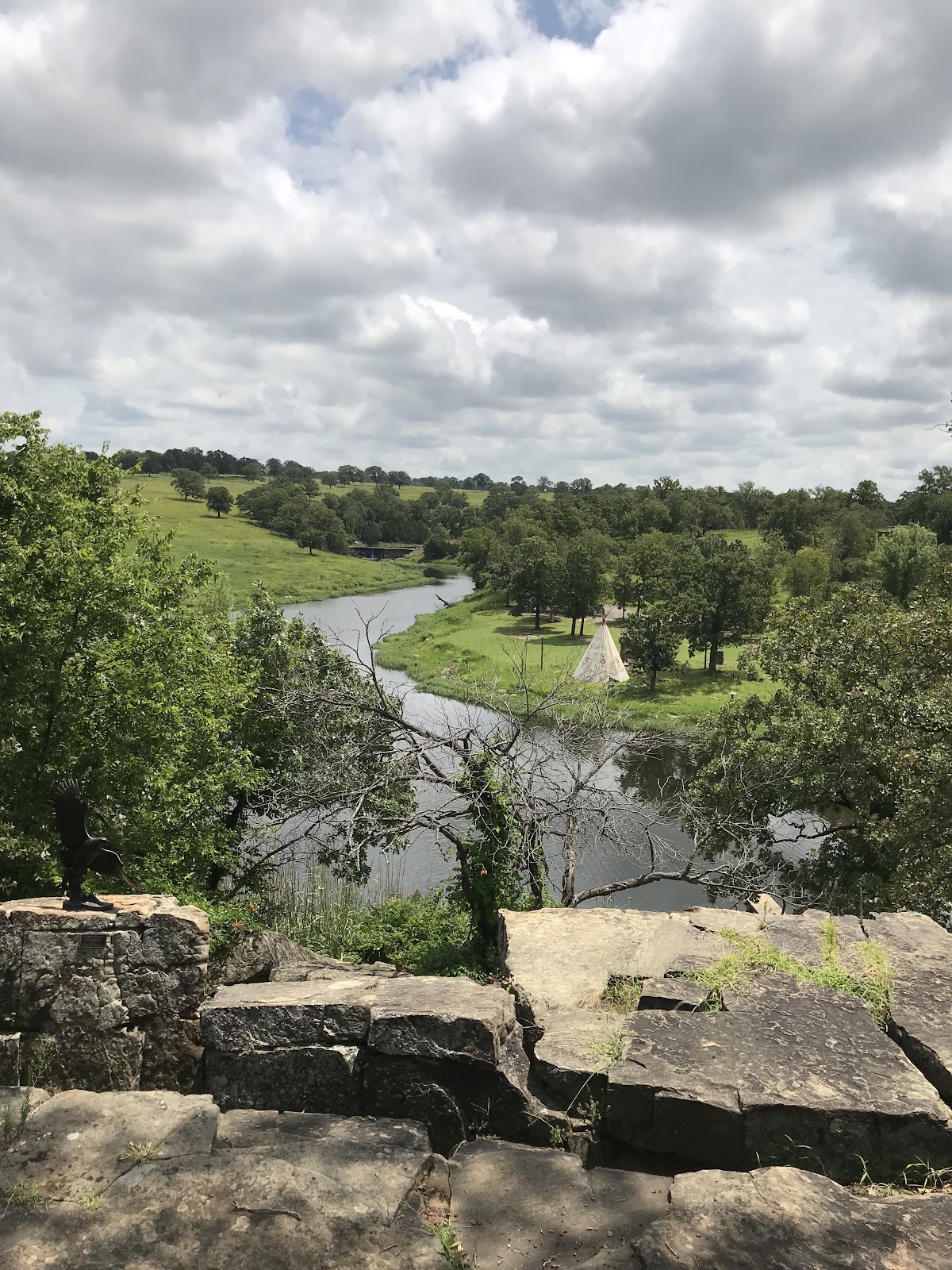
Pictured is a view from the property of the Woolaroc Museum & Wildlife Preserve
Photo by Gail Moore Woltkamp
August 2019

My travels to Northeast Oklahoma are a reflection of the interest I have in my family’s past along with Oklahoma’s rich history. 💚

References

woolaroc.org

Woolaroc Museum & Wildlife Preserve Gallery Guide

Woolaroc Museum & Wildlife Preserve Campus Map 

US Army Corp of Engineers Tulsa District Website

TravelOK.com Website

Oklahoma Fishing Guide Website

outdoorsy.com

🍋💚🍋💚🍋💚🍋💚🍋💚

Guess Whose Parents Remind Me of My Own 🧡

Have you ever sat down and watched Spencer Tracy’s final speech at the end of “Guess Who’s Coming to Dinner”? You should. As late to the party as it sounds, everyone should see this movie.

Combine Tracy’s eloquence and thought-provoking dialogue with knowledge that the actor was ill through the entire making of the film and the message becomes even that much more meaningful.

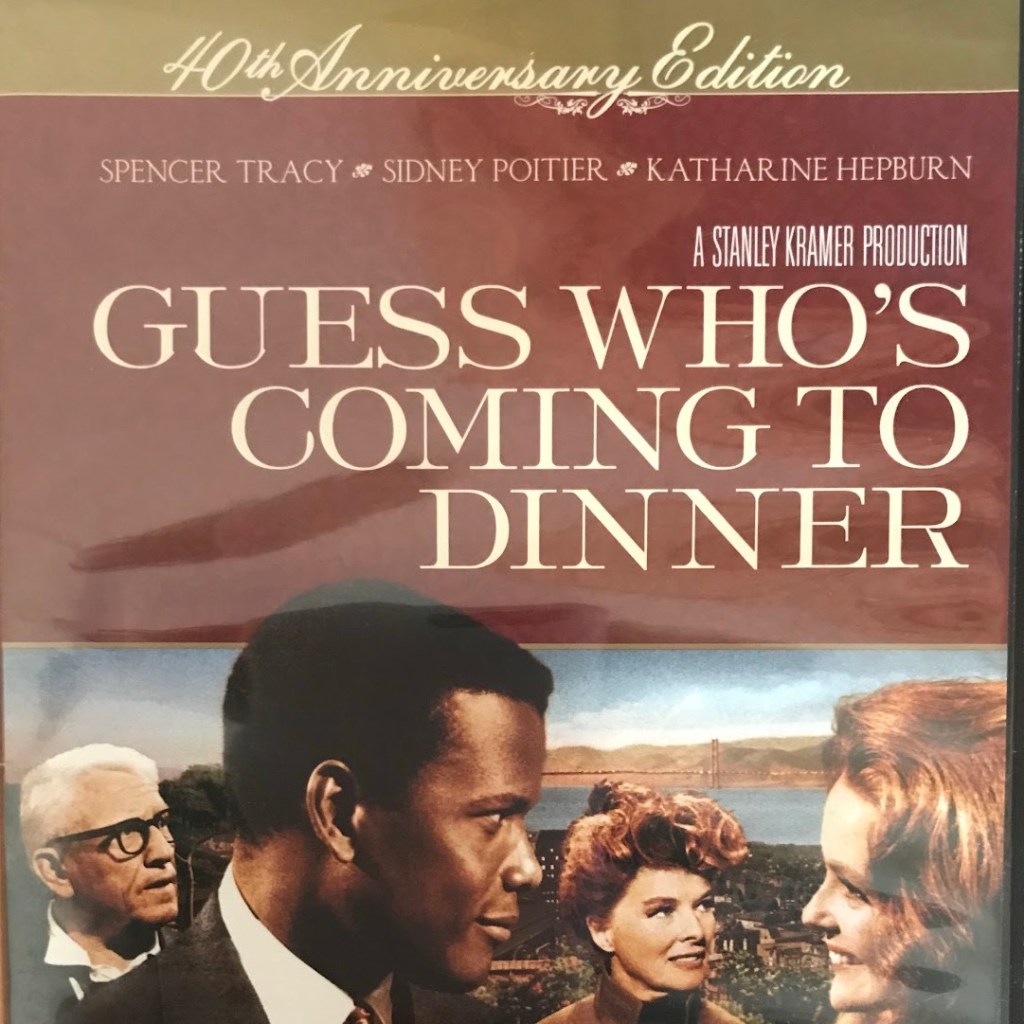
40th Anniversary Edition of
“Guess Who’s Coming To Dinner”

I was two years old when Stanley Kramer’s classic premiered on the big screen and a youngster during the Civil Rights Movement. Such an important time in our nation’s history and all I had to do was ride my trike and play with dolls. Others were doing the dirty work of paving paths of equal justice and tearing down racial barriers.

Watching Kramer’s film today not only reveals to me who we were during that period in our American History, but also sheds light on some family dynamics of my own…

Spencer Tracy and Katherine Hepburn as Matt and Christina Drayton remind me of my own mom and dad. Not in how they miserably fail in hiding their surprise of their only daughter’s engagement to an African American doctor, but more in how they communicate with candor and humor as they grapple with their own surprise at themselves.

Joanna Drayton, portrayed beautifully by Katherine Houghton, was raised in a special environment. Perhaps because I’m an only child, and was close to both of my parents, I feel a connection to fictional “Joey.” It’s clear she was raised to think for herself, make up her own mind, regardless of outside influences.

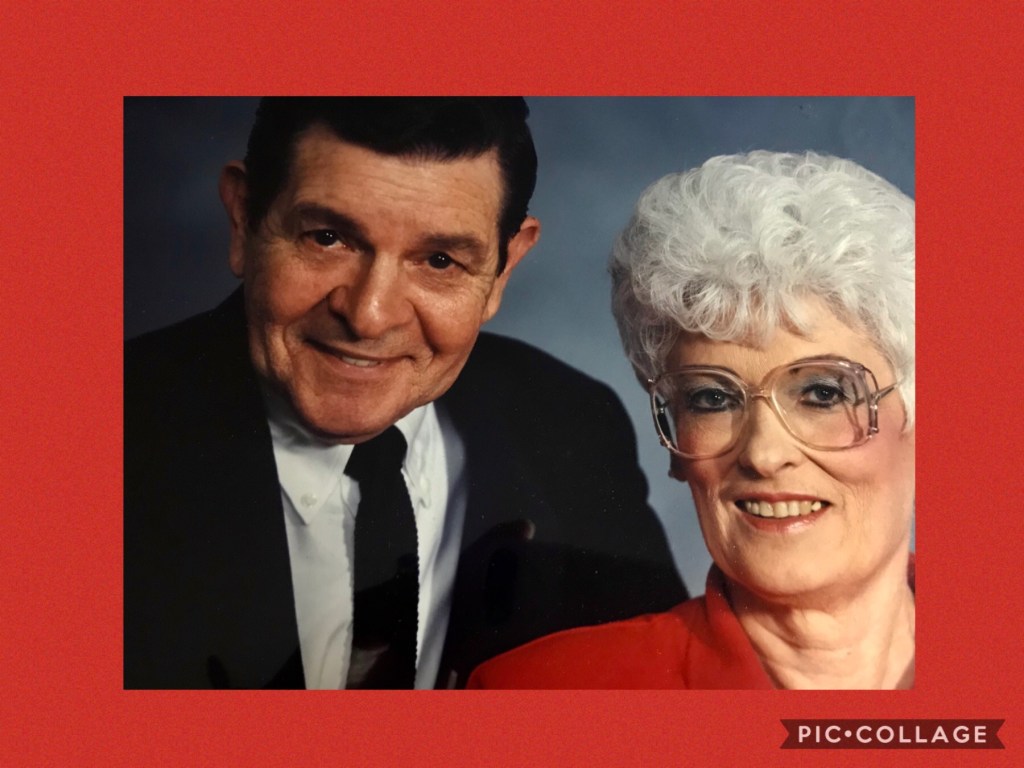
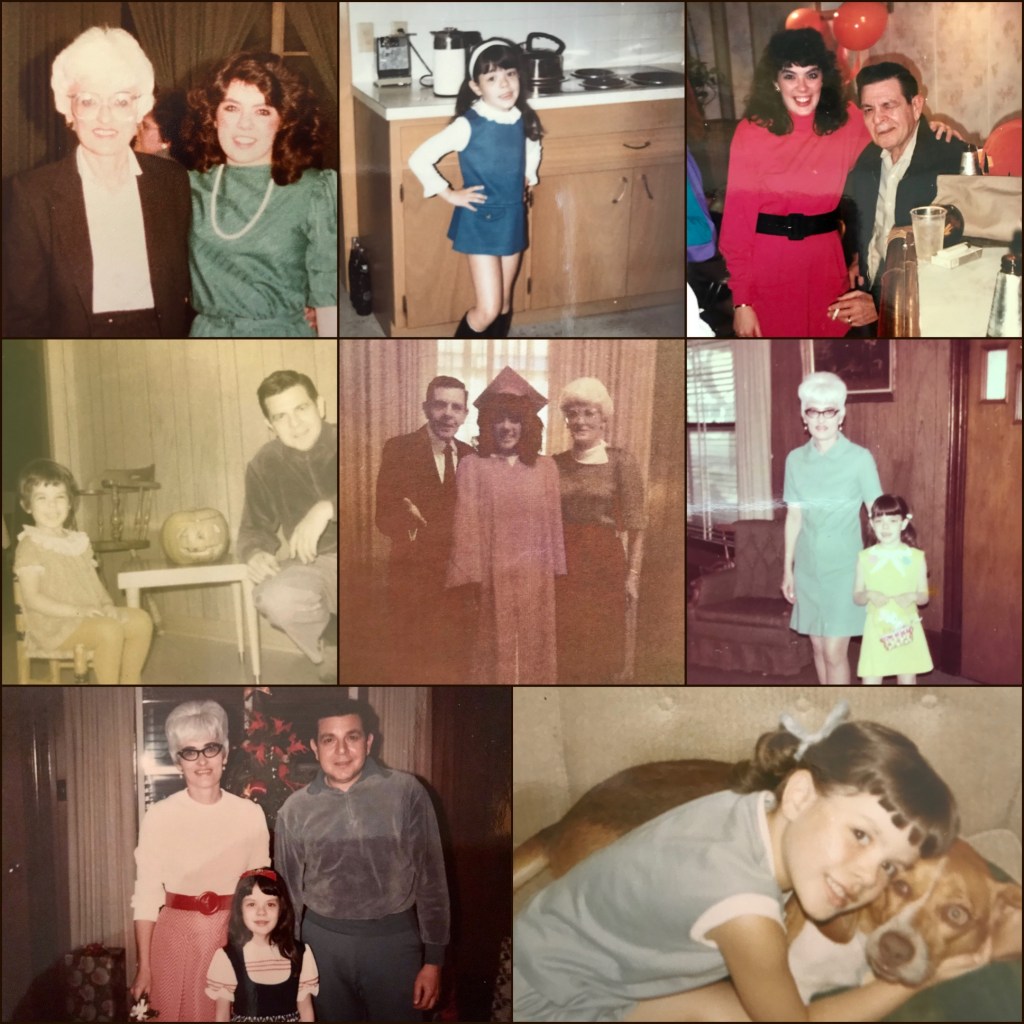
My mom and dad, now both deceased, were not as wealthy as the fictional Drayton’s. My dad, a small-town barber, and my mom, a secretary for a pipeline company, were hard-working, kind, generous, independent and accepting. At a very young age I had a voice as important decisions were made about our home, our family and livelihood.

David and Gerry Moore 1992

My parent’s values in how to treat and accept others made a lifetime impact on me. My dad would often say about my mom that she was a “Women’s Libber” before anyone talked about it. Just like Matt and Christina Drayton, they were accepting of other people’s races and religions without wearing it on their sleeves or giving it a second thought.

Snapshot of my childhood years
mid-1960s-1990
🧡

It has been documented that Tracy was frequently absent during the filming of “Guess Who’s Coming to Dinner.” He passed away just seventeen days after production wrapped.

It compels me to consider the extent of his illness and wonder if his performance was perhaps driven by his own state of health.

I think of those final scenes where Tracy’s character is questioning himself as he unravels the events of the day in an effort to arrive at a thoughtful position regarding his daughter’s future.

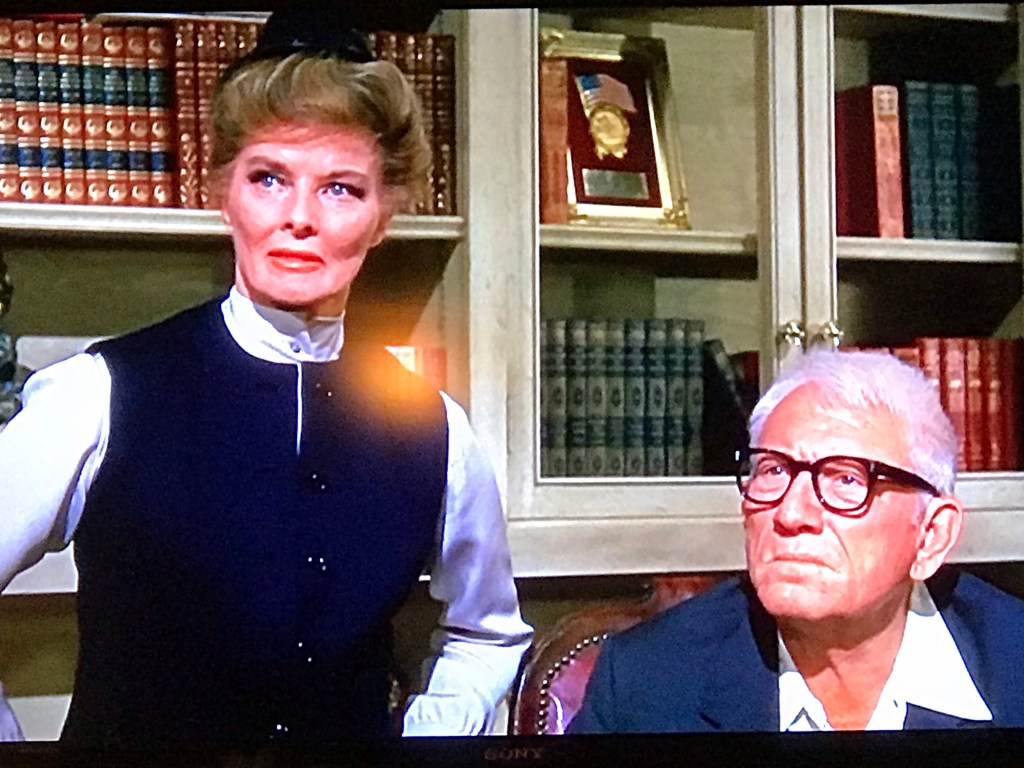
Katherine Hepburn and Spencer Tracy as Matt and Christina Drayton
“Guess Who’s Coming to Dinner.”
Tracy passed away 17 days after production wrapped.
Columbia Pictures, 40th Anniversary, DVD Edition

While some critics have expressed the movie is now outdated and even a little hokey, (most recently I’ve seen a movie critic discuss his disdain for the plot), I tend to disagree.

Because I believe the story is ultimately about love, I stand by the film’s message as it continues to reveal to us where we are with universal attitudes on relationships and marriage.

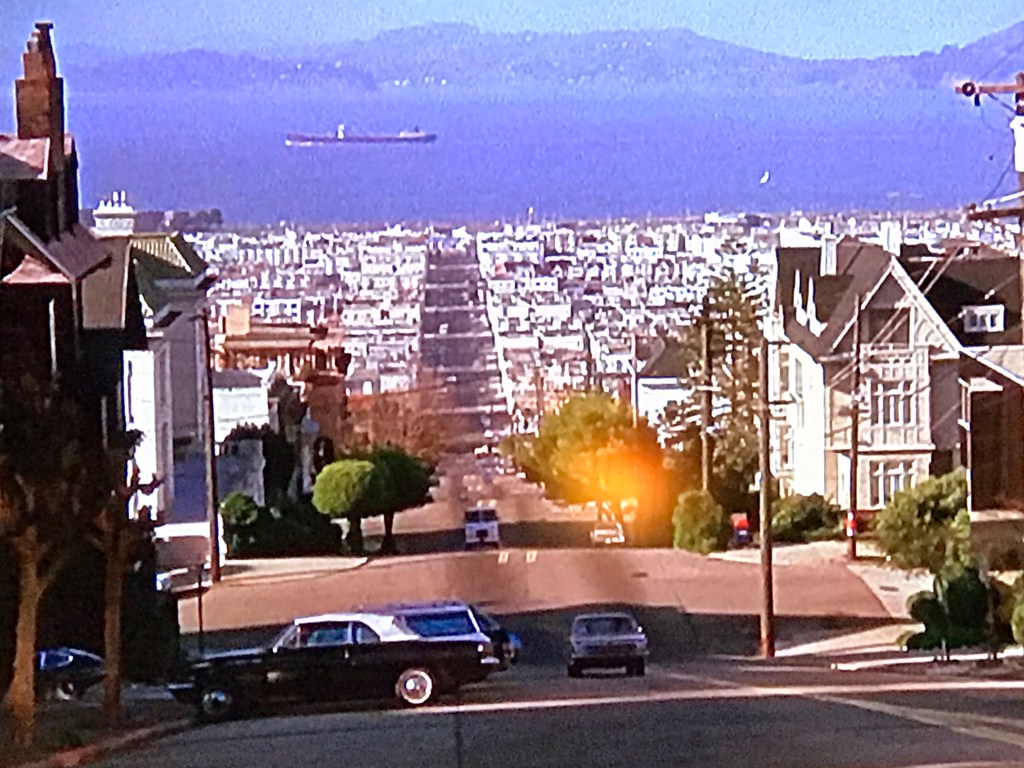
Scene from Stanley Kramer’s Classic “Guess Who’s Coming to Dinner”
Filmed in San Francisco
Photo courtesy of Columbia Pictures, 40th Anniversary DVD Edition

I loved the San Francisco backdrop, the 1960s fashions and of course, Sydney Poitier. But what I continue to admire most about the film are the realistic portrayals of Hepburn and Tracy as their characters react and ultimately transform over the course of a given day.

To so many like my mom and dad who worked and lived by example in paving incredibly important paths of human rights and equal justice…Guess whose generation truly gets it! My teenage son said it best after watching the first ten minutes of the film:

“So that’s the plot?” “They wanna get married?” “Who cares?” 💛

Worth Every Trip ❤️

By Gail Moore Woltkamp

In my very early childhood, my grandmother and I would walk a few residential blocks from my house, pass by several store fronts, including my dad’s barbershop, to the Woolworth’s store in downtown Independence, Kansas.

Once reaching our destination, our shopping experience was never disappointing. Sweeper bags, hula hoops, aspirin or a hairbrush, Woolworth’s was THE place for buying whatever we wanted or needed.

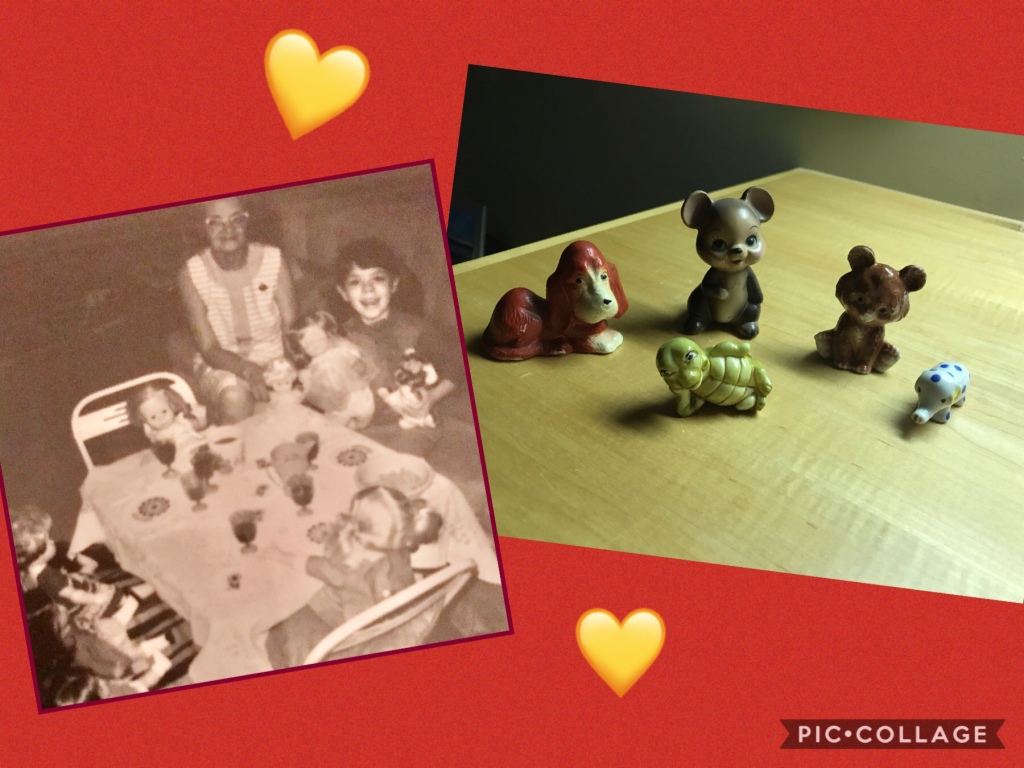
As soon as we walked through the door, the smells of perfume and day-old popcorn would welcome us back like an old friend. Down the slanted entry ramp and onto the wide-open fluorescent-lit shopping space, Grandma would head for the household items and I would go directly to the aisle filled with miniature ceramic figurines.

After shopping the aisles and purchasing our must-haves, we would go to the lunch counter and order a grilled cheese sandwich and what was to me, their signature drink: a concoction of orange juice, milk, crushed ice and phosphate, aptly named the “Orange Whip.”

To this day I have dreams about that Woolworth’s…the classic fluorescent luncheonette sign, the endless aisles filled with ten cent treasures…Woolworth’s, no doubt, made an impact on me.

Always worth a trip to Woolworth’s.
Late 1960s-early 70s purchases from the Woolworth’s store
Independence, Kansas
❤️

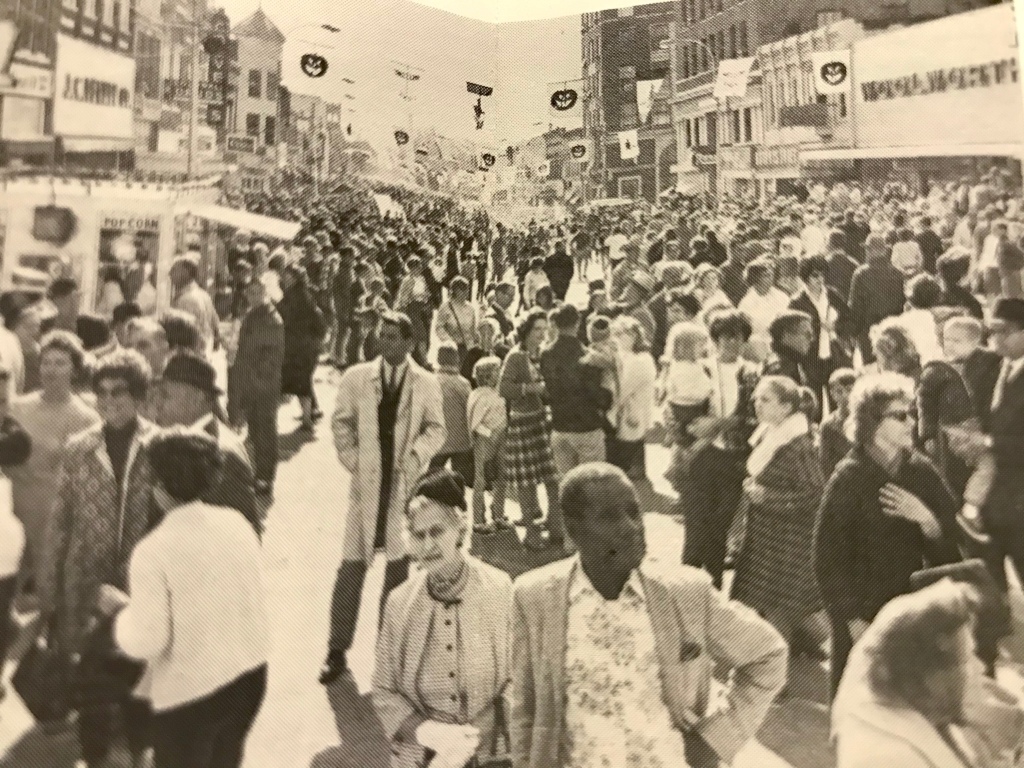
Background Glimpse of Woolworth’s
Independence, Kansas
1967 Program, Neewollah, Inc.
❤️ Moore Family Collections ❤️

Retail Pioneers

Woolworth’s history in my hometown in Kansas and town’s and cities across the country is a long and thriving one. Some deem the F.W. Woolworth Company the most successful five and dime chain store in all retail history.

Although the first store that opened its doors in Utica, New York, failed, Frank and Charles, the Woolworth brothers, opened a new store that would be the first successful “Great Five Cent Store.”

Famous Lunch Counter ❤️

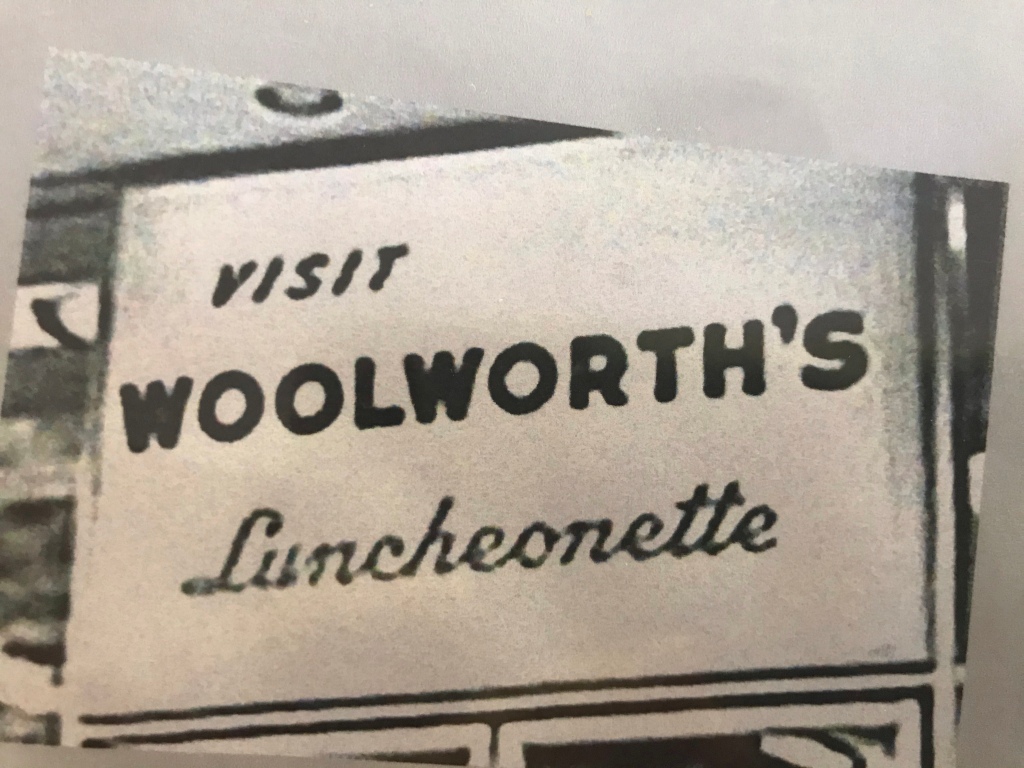
F.W. Woolworth Company Signature Florescent Luncheonette sign.
Photo courtesy of Google Images

On February 1, 1960, four African American students from the Agricultural and Technical College of North Carolina sat down at a Woolworth’s lunch counter at 123 S. Elm Street in Greensboro, North Carolina. Up to that point, the lunch counter had been for “whites only.”

When the students were refused a cup of coffee and asked to leave the lunch counter, the four freshmen refused to get up. The “Greensboro Four” or the “A&T Four,” as they would later be known, stayed until the store closed. Each day, the number of student peaceful protesters grew while other cities in North Carolina launched their own “sit-ins.” (International Civil Rights Museum Website)

A sit-in movement spawned in additional cities and states in the South and after nearly six months of boycotts, store owners abandoned their segregation policies.

Visit The Sites! ❤️

In 1993, a section of the Greensboro Woolworth’s lunch counter was relocated to the Smithsonian Institution National Museum of American History, Kenneth E. Behring Center, 14th Street and Constitution Avenue N.W., in Washington D.C.

A section of the lunch counter from the Greensboro, North Carolina Woolworth’s is now preserved in the Smithsonian Institution
National Museum of American History.
Creative Commons Attribution- Share Alike

The remaining portion of the lunch counter, including the stools where the “Greensboro Four” sat, has been preserved in its original Woolworth location, 134 S. Elm Street, Greensboro, NC, now home to the International Civil Rights Center & Museum, which opened on February 1, 2010, the fiftieth anniversary of the original sit-in. info@sitinmovement.org

Standing Up By Sitting Down

An additional exhibit titled “Standing Up By Sitting Down” honoring the first national peaceful protest in America is displayed at the National Civil Rights Museum at the Lorraine Motel. This exhibit includes original interactive video footage and honors the original 1960s sit-ins in the South.

Trip to the National Civil Rights Museum at the Lorraine Motel, 450 Mulberry Street, Memphis, TN with my cousin, Christopher Jardine (2019)
“Standing Up By Sitting Down”
The first national peaceful protest in America is honored through this permanent exhibit located at the National Civil Rights Museum at the Lorraine Motel, 450 Mulberry Street in Memphis, TN. (2019)
Photo by Gail Moore Woltkamp

Woolworth’s Today ❤️

The last Woolworth’s store in the United States closed its doors in 1997. While other retailers have used its name in many variations across the world, only a couple of those chains and corporations are currently connected to the original F.W. Woolworth Company brand.

In the U.S. the company restructured, existing as Foot Locker, Inc. which sells sports apparel and footwear, and is traded on the New York Stock Exchange. (FL) ☮️

References

International Civil Rights Center and Museum website

http://footlocker.com

National Civil Rights Museum at the Lorraine Motel website

NYSE: The New York Stock Exchange (Website)

www.goodreads.com

“Remembering Woolworth’s, A Nostalgic History of the World’s Most Famous Five and Dime,”Karen Plunkett-Powell, St. Martin’s Press; 1999

Smithsonian Institution National Museum of American History website

🩵❤️🩵❤️🩵❤️🩵❤️🩵❤️🩵❤️🩵❤️🩵